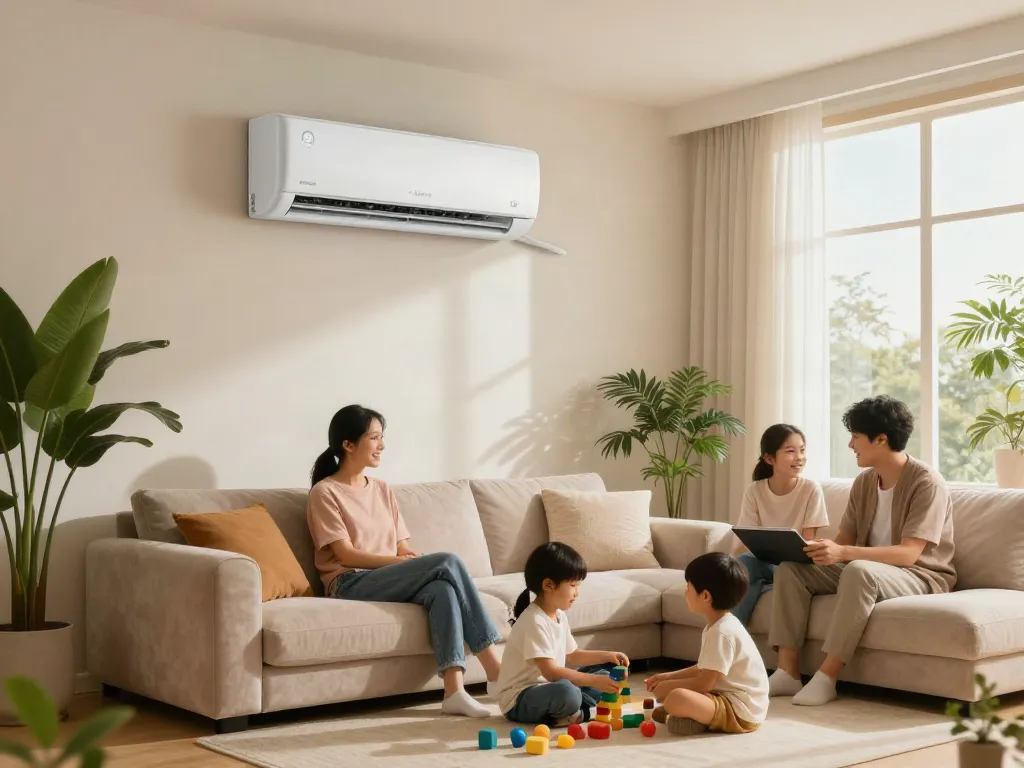
Understanding Mini Split Air Conditioners
Mini split air conditioners have become increasingly popular for homeowners seeking efficient and versatile cooling solutions. As spaces evolve and energy efficiency takes center stage, many are turning to these systems for their ability to provide targeted comfort without extensive ductwork. When exploring options, mini split air conditioner offer comprehensive insights into modern climate control technology. This article will delve into the workings of mini split systems, their key components, and the myriad benefits they can bring to your home or business.
What is a Mini Split Air Conditioner?
A mini split air conditioner is a ductless system used for heating and cooling individual rooms or spaces. Unlike traditional HVAC systems that rely on ductwork, mini splits consist of two primary components: an outdoor unit and one or more indoor units. The outdoor unit contains the compressor and condenser, while the indoor units house the evaporator coils and fan. This design allows for significant flexibility in installation and operation, making them ideal for spaces where ducted air conditioning is either impractical or too expensive.
Key Components and Features of Mini Split Systems
Understanding the main components of a mini split air conditioner is essential to appreciating its functionality:
- Outdoor Unit: Contains the compressor and fan which dissipate heat from the refrigerant gas.
- Indoor Unit(s): These units can be wall-mounted, ceiling-mounted, or floor-mounted, providing versatility in placement and design.
- Refrigerant Lines: Copper lines connect the outdoor and indoor units, allowing the refrigerant to flow and circulate.
- Remote Control: Most mini split systems come with remote controls for easy temperature adjustments and mode settings.
- Filters: Indoor units generally have filters that can be easily cleaned or replaced to maintain air quality.
Benefits of Using Mini Split Air Conditioners
Mini split air conditioners offer several advantages that make them appealing for both residential and commercial applications:
- Energy Efficiency: These units are generally more energy-efficient than traditional central air conditioning systems, leading to lower utility bills.
- Flexible Installation: The absence of ductwork allows for easier installation and the option to cool or heat specific areas as needed.
- Zone Control: Multiple indoor units can be connected to a single outdoor unit, enabling zone control for customized comfort across different rooms.
- Reduced Noise: Mini splits operate more quietly than traditional systems due to the placement of noisy components outdoors.
How to Select the Right Mini Split Air Conditioner
Choosing the right mini split air conditioner involves several factors that ensure optimal performance and comfort. Careful assessment of your cooling and heating needs, along with a thorough understanding of BTU sizing and efficiency ratings, is crucial for making an informed decision.
Assessing Your Cooling and Heating Needs
Before purchasing a mini split system, evaluate the specific requirements of your space. Consider factors such as:
- The size of the area you want to cool or heat.
- The number of windows and their orientation.
- The insulation quality of your walls and ceilings.
- The typical climate conditions in your area.
Choosing the Right BTU Size for Your Space
BTU (British Thermal Units) is a measurement used to determine the cooling or heating capacity of an air conditioner. Selecting the correct BTU rating is vital to ensure that your mini split system operates efficiently:
- For small rooms (up to 300 sq ft), look for units with 6,000 to 8,000 BTUs.
- For medium spaces (300 to 600 sq ft), aim for 9,000 to 12,000 BTUs.
- For larger areas (600 to 1,000 sq ft), a capacity of 12,000 to 18,000 BTUs is recommended.
Understanding Energy Efficiency Ratings (SEER)
Energy efficiency is a critical aspect of modern appliances, and mini splits are no exception. The Seasonal Energy Efficiency Ratio (SEER) measures an air conditioning unit's cooling output divided by its energy consumption. A higher SEER rating indicates a more efficient unit. Look for mini split systems with SEER ratings of 16 or higher to maximize energy savings.
Installation Process for Your Mini Split Air Conditioner
Installing a mini split air conditioner can be a straightforward process, but it requires specific tools and careful attention to detail to ensure optimal performance.
Tools and Materials Required for Installation
Before beginning installation, gather the following tools and materials:
- Drill and drill bits
- Level
- Copper refrigerant lines
- Electrical wiring and connectors
- Vacuum pump
- Mounting brackets
- Insulation tape
Step-by-Step Installation Guide
Follow these steps to install your mini split air conditioner:
- Choose the ideal location for the indoor and outdoor units, ensuring proper clearance for airflow.
- Install the mounting bracket for the indoor unit and secure it to the wall.
- Drill a hole through the wall to accommodate the refrigerant lines and electrical wiring.
- Connect the refrigerant lines, ensuring they are properly insulated.
- Mount the indoor unit on the bracket and seal any gaps with insulation tape.
- Install the outdoor unit securely in a well-ventilated area.
- Make electrical connections as per the manufacturer's instructions.
- Evacuate the lines using a vacuum pump to remove any moisture and air.
- Test the system before finalizing the installation.
Common Mistakes to Avoid During Installation
To avoid issues post-installation, be cautious of the following common mistakes:
- Neglecting to check unit compatibility with space size and climate conditions.
- Improper sealing of refrigerant lines, which can lead to leaks.
- Inaccurate placement of the indoor unit, affecting airflow and efficiency.
- Skipping the evacuation process, which can damage the system.
Maintenance Tips for Longevity and Efficiency
To ensure your mini split air conditioner operates efficiently and lasts for years, regular maintenance is essential.
Regular Cleaning and Filter Replacement
Keeping your mini split clean is fundamental:
- Clean the indoor unit’s filters every month or as needed, especially during peak usage seasons.
- Periodically clean the outdoor unit of debris and leaves to ensure adequate airflow.
Seasonal Preparations for Optimal Performance
Before changing seasons, it's wise to prepare your mini split:
- In spring, check for proper operation as you switch from heating to cooling.
- In fall, ensure any cooling units are prepared for winter, which may include covering the outdoor unit.
Signs That Your Mini Split Air Conditioner Needs Repair
Monitor your system for the following signs that may indicate a need for repair:
- Inconsistent temperatures between rooms.
- Unusual noises, such as grinding or rattling.
- Increased energy bills without a change in usage.
- Fluid leaks around the indoor or outdoor units.
Future Trends in Mini Split Air Conditioning Technology
As technology continues to advance, so do mini split air conditioning systems. Here’s a glimpse at what the future holds:
Advancements in Smart Technology for Home Cooling
Smart technology integration is becoming commonplace in mini split systems. Features like Wi-Fi connectivity allow users to control their units remotely through mobile applications. Expect to see enhanced energy monitoring capabilities and AI-driven efficiency optimizations.
Energy-Efficient Innovations for 2026 and Beyond
The trend toward energy efficiency will persist, with new refrigerants being developed that are less harmful to the environment. Innovations such as variable speed compressors are likely to become more common, providing greater control over energy usage without sacrificing comfort.
Market Trends: Customer Preferences in Mini Split Systems
Consumer preferences are shifting toward systems that are not only energy-efficient but also aesthetically pleasing. The design of indoor units is evolving to blend seamlessly into modern interiors, encouraging more homeowners to consider mini splits as viable cooling solutions even in visually sensitive spaces.
What are the pros and cons of mini split air conditioners?
Mini splits offer several advantages, such as energy efficiency and flexibility, but they also come with potential drawbacks. Some users may find the upfront cost to be significant compared to traditional systems. Additionally, installation requires careful planning and execution.
How long does it take to install a mini split air conditioner?
The installation time for a mini split system varies based on complexity but typically ranges from 4 to 8 hours. Some installations may be completed in a day, while others—with multiple units or significant modifications—may take longer.
Can a mini split air conditioner heat as well as cool?
Yes, many mini split systems are equipped with heat pump technology, allowing them to effectively heat spaces during colder seasons, providing year-round climate control.
What maintenance does a mini split air conditioner require?
Maintenance involves regular cleaning of filters and coils, checking refrigerant levels, and inspecting the system for leaks. It’s advisable to schedule professional maintenance at least once a year to ensure efficiency.
How energy efficient are mini split air conditioners?
Mini split air conditioners are known for their high energy efficiency, often boasting SEER ratings above 16. They use inverter technology to adjust energy consumption based on the current cooling or heating demand.